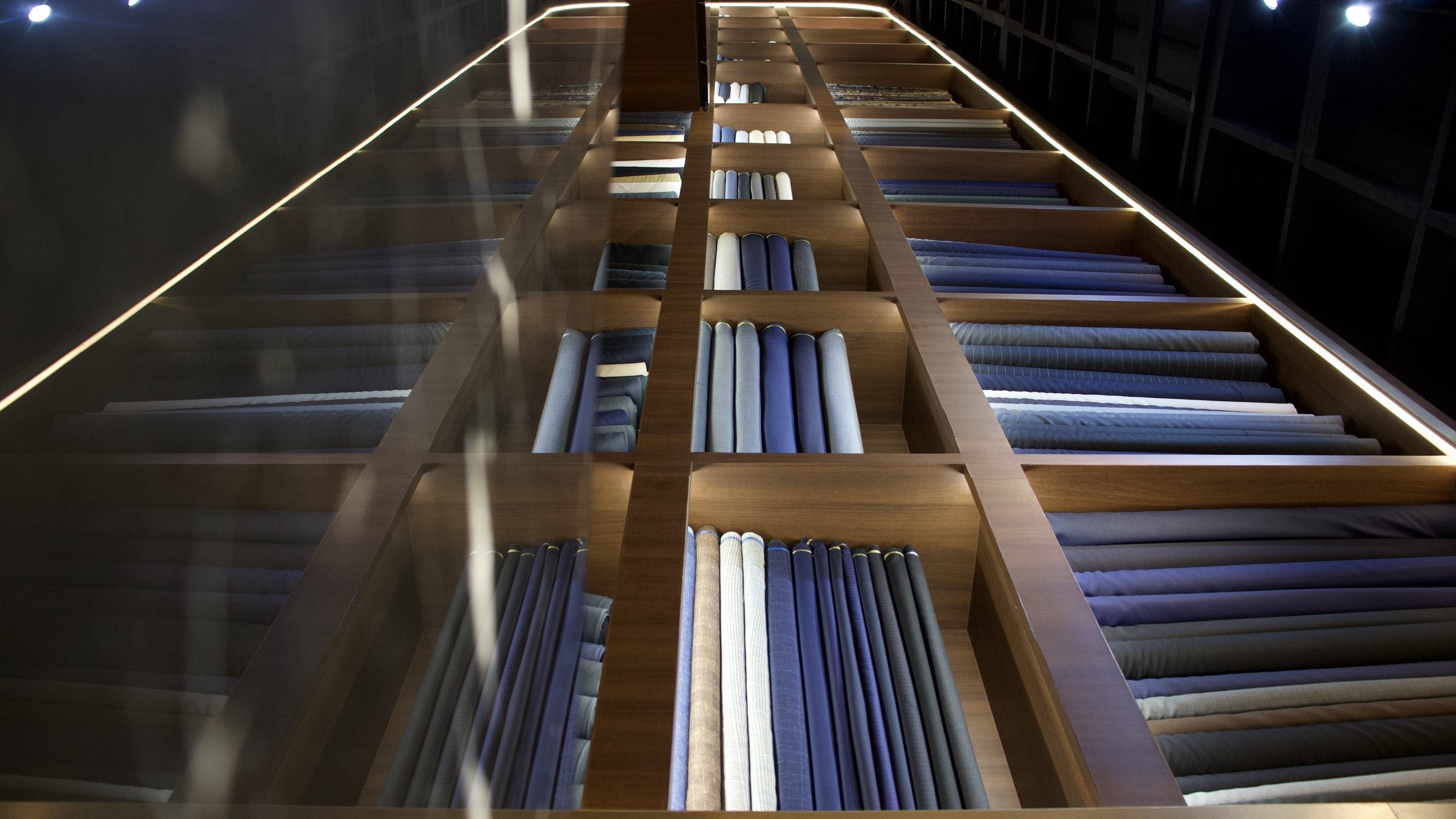
The cloth wall at our Bangkok showroom, lit shelves of suiting rolls

Suit & shirt cloth

The mills behind our fabrics

From Biella to Savile Row. Every bespoke suit and shirt we make begins here.

14
Mills
6
Countries
1663
Oldest mill

Every bespoke suit and shirt we make in Bangkok starts with the cloth. We cut from some of the oldest and most respected mills in Italy, England and beyond, among them Vitale Barberis Canonico, Zegna, Loro Piana, Dormeuil and Holland & Sherry, from everyday worsteds to the rarest fibres. We will help you choose between them.

Suiting

From Biella, London, Paris and Scotland

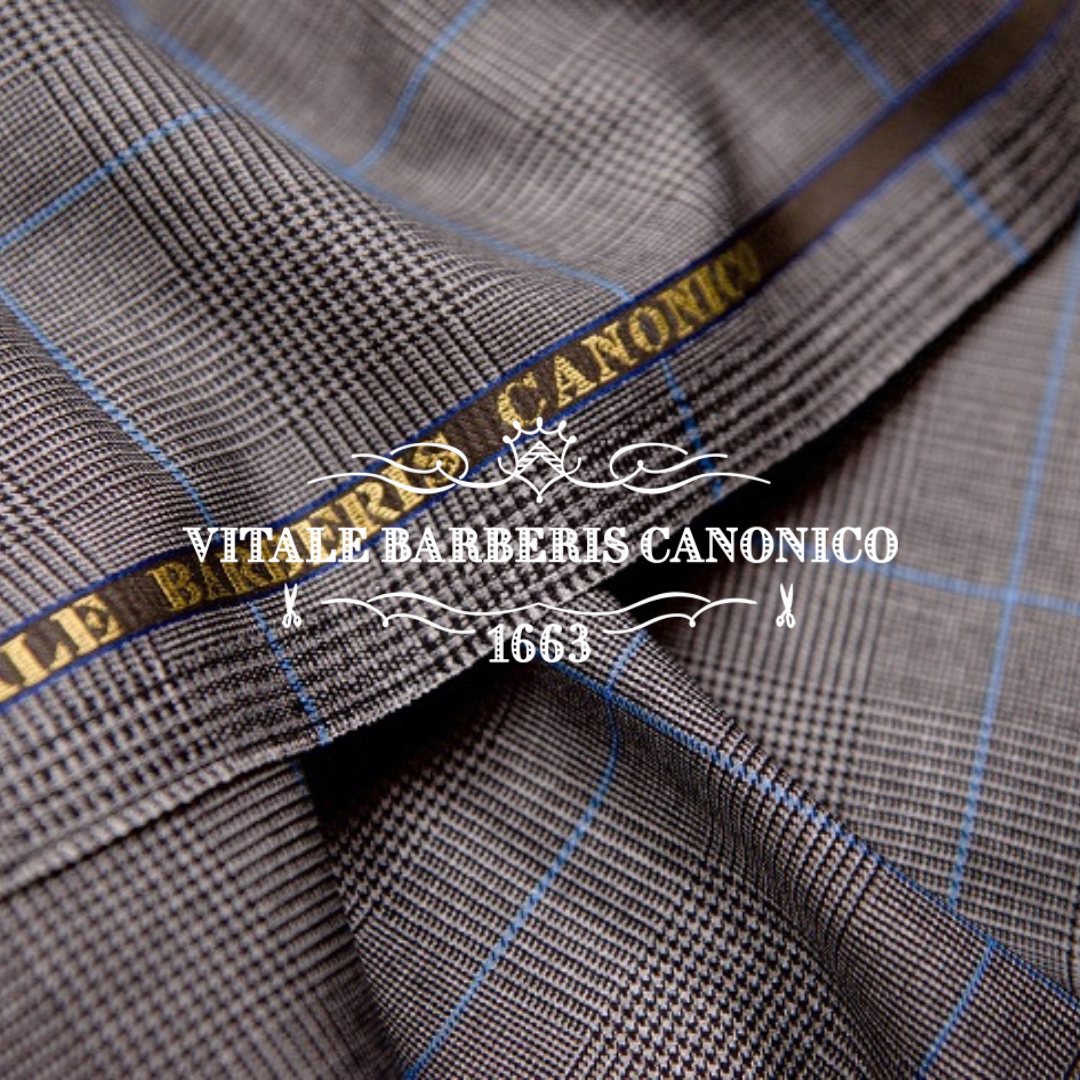
Vitale Barberis Canonico cloth with the mill's 1663 selvedge

Italy · BiellaSince 1663

Vitale Barberis Canonico

The oldest family-run wool mill in the world. Its first written record, from 1663, is a sale of grey cloth to the Duke of Savoy. Thirteen generations on, the mill still spins, weaves and finishes in Pratrivero, where soft mountain water is kind to the wool.

Known for
Hard-wearing worsteds for suits worn every day
In the house
Super 110s
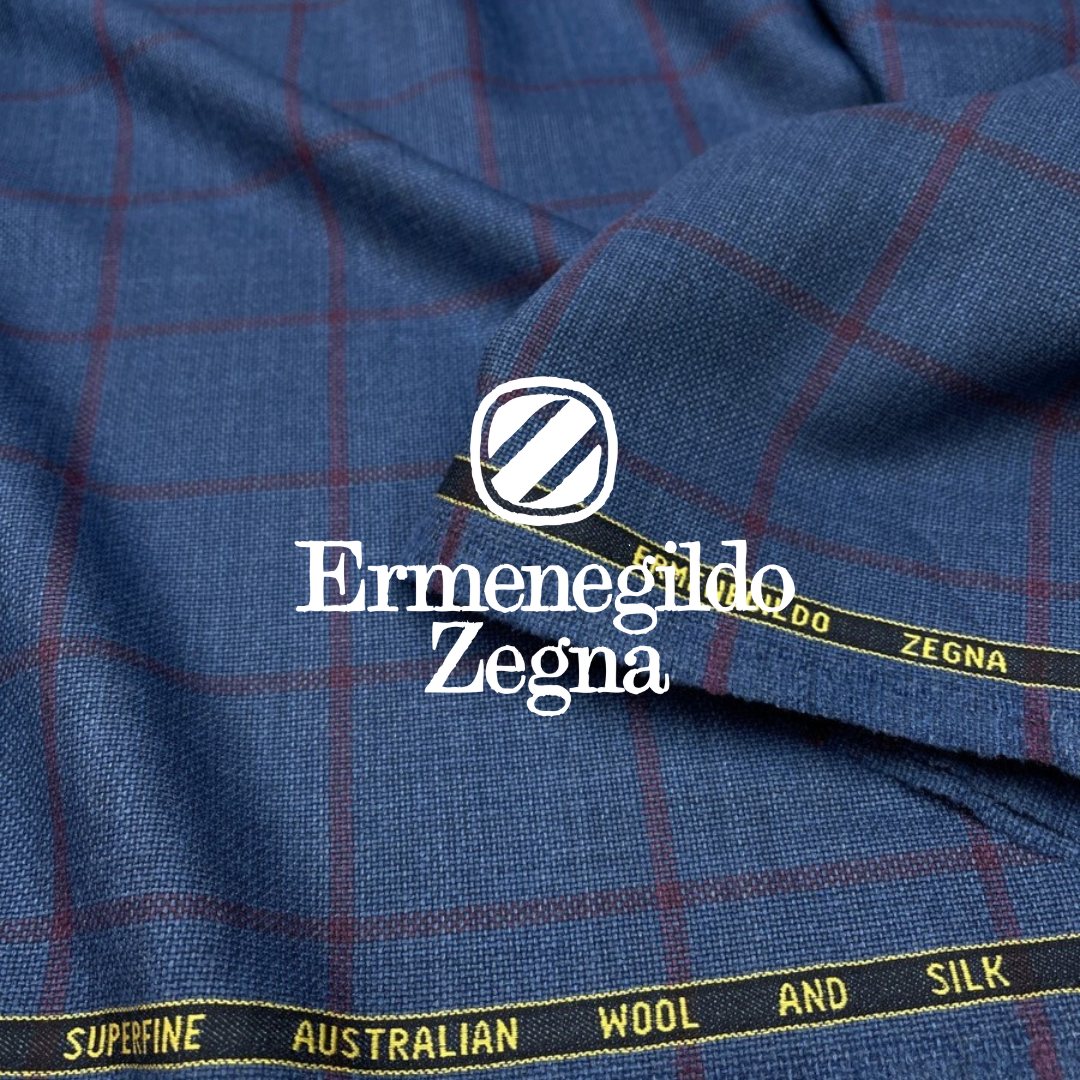
Ermenegildo Zegna Australian wool and silk cloth

Italy · TriveroSince 1910

Ermenegildo Zegna

Founded as a wool mill in Trivero, in the Biellese Alps, in 1910. Trofeo, introduced in 1965, is spun from 17-micron merino: as fine as cashmere, and far lighter. Traveller is its four-season wool, woven in a diagonal twill.

Known for
Trofeo and Traveller cloths
In the house
Trofeo · Traveller
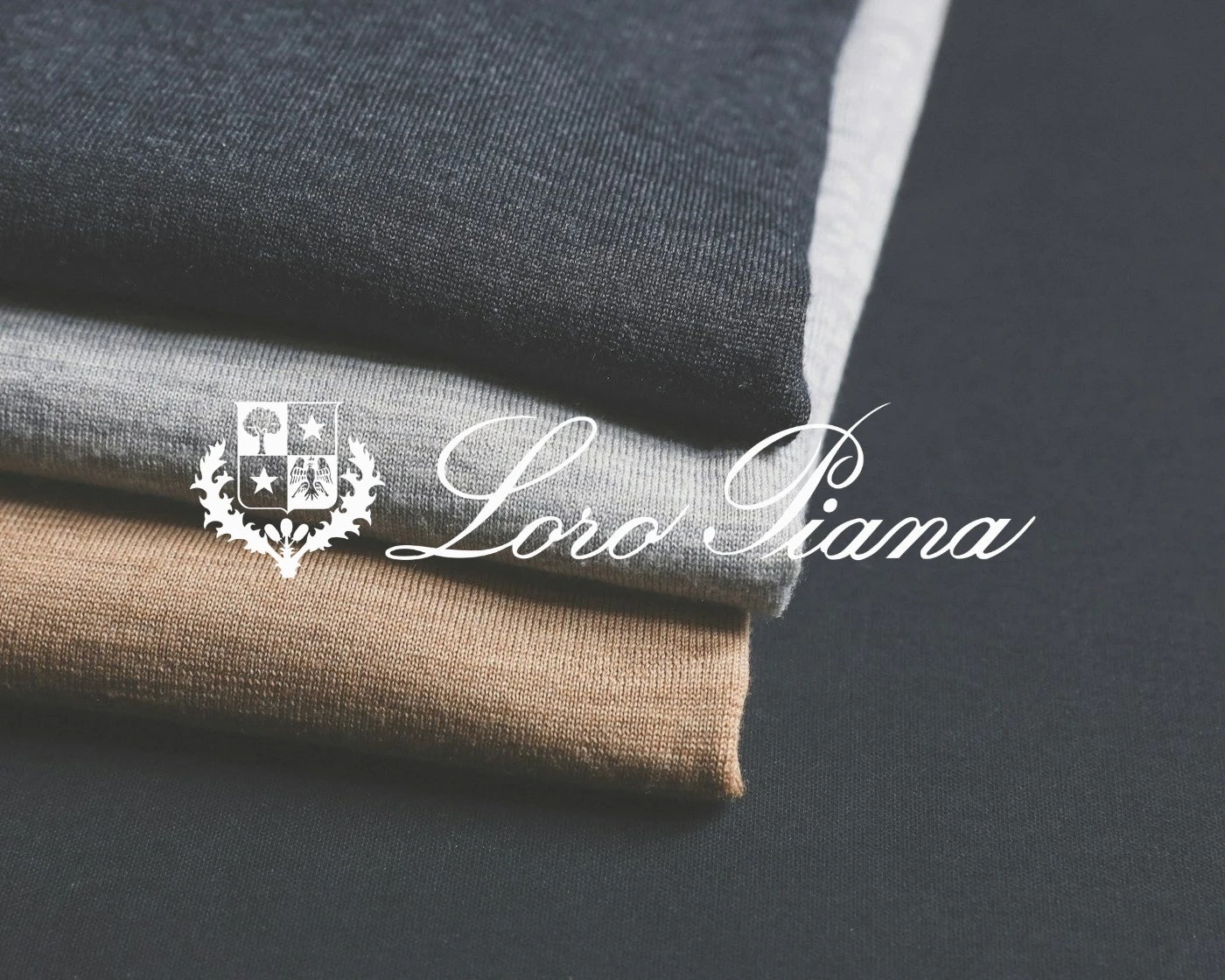
Loro Piana knitwear in charcoal, grey and camel

Italy · PiedmontSince 1924

Loro Piana

The family traded wool cloth in Piedmont from the early 1800s before Pietro Loro Piana founded the mill in 1924. It is known for the rarest fibres in cloth: vicuña, and baby cashmere combed from young goats in their first moult.

Known for
Vicuña, baby cashmere and the finest merino
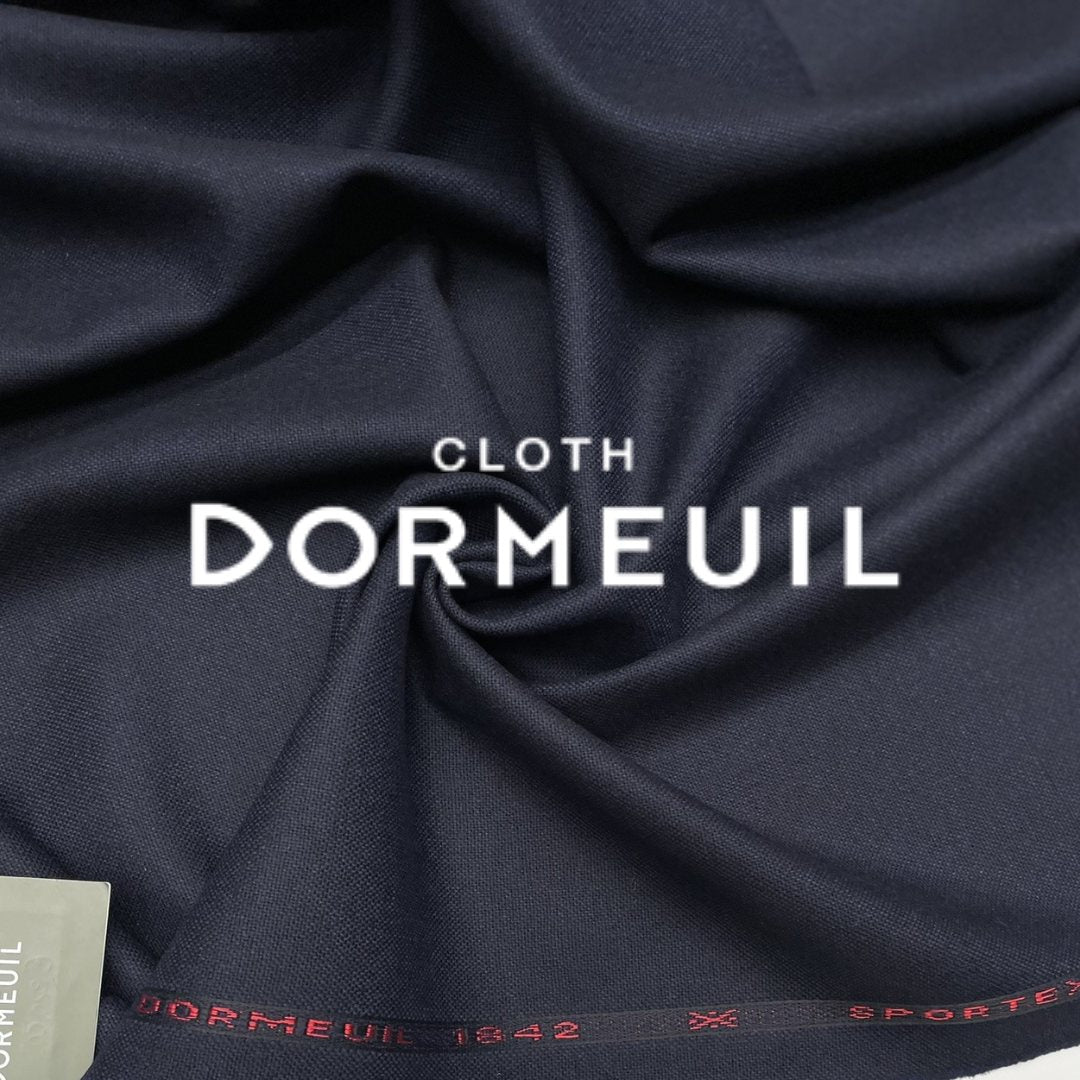
Dormeuil navy suiting cloth

France & EnglandSince 1842

Dormeuil

Founded in 1842 by Jules Dormeuil, then 22, who made his name bringing English cloth to Paris. The house opened its first shop outside France on London's New Burlington Street.

Known for
Franco-British luxury cloth
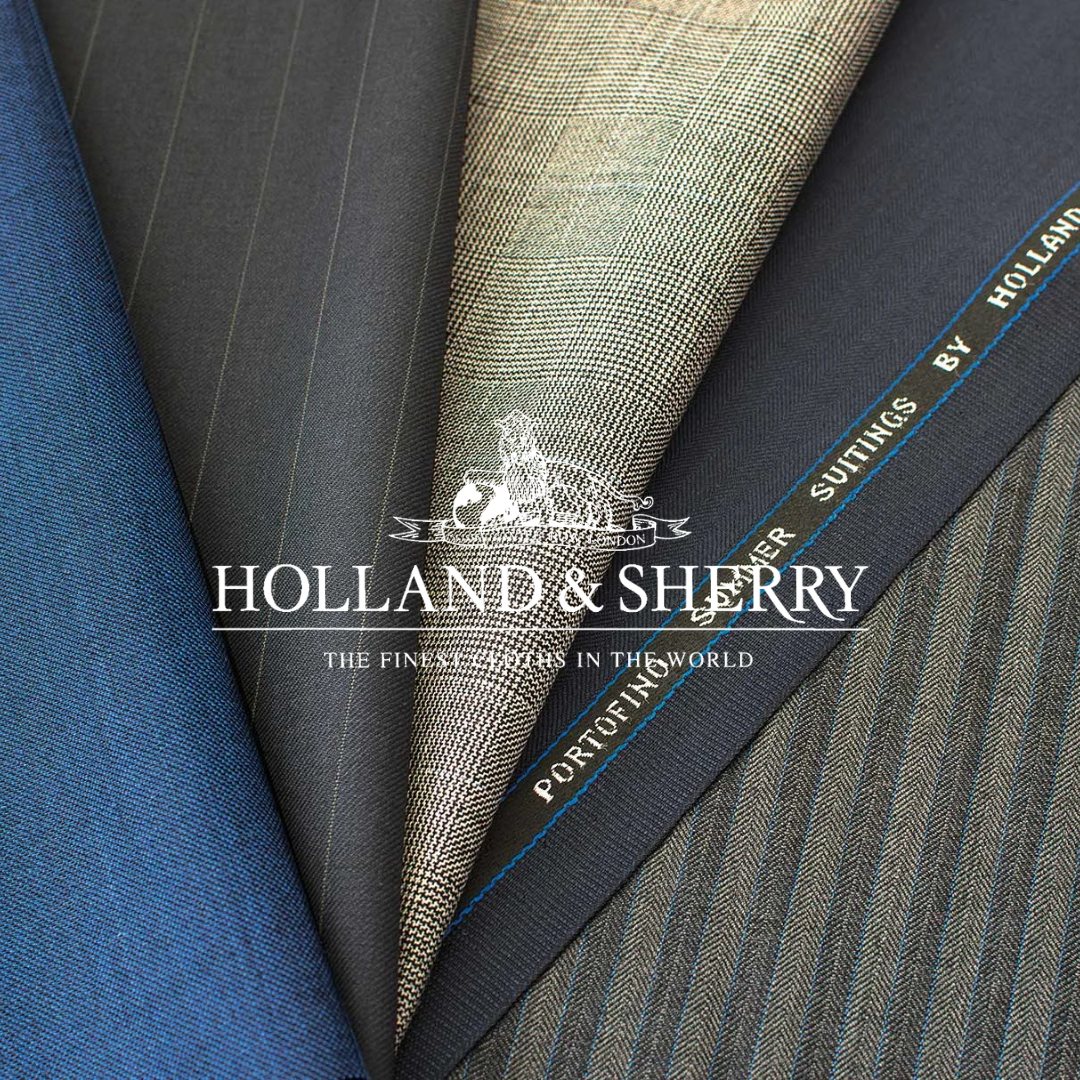
Holland & Sherry suiting in blue, grey and stripe

England · LondonSince 1836

Holland & Sherry

Founded on Old Bond Street in 1836, and the last of the cloth merchants that once filled Golden Square. Its head office is on Savile Row; its warehouse is in Peebles, in the Scottish Borders.

Known for
Savile Row cloth
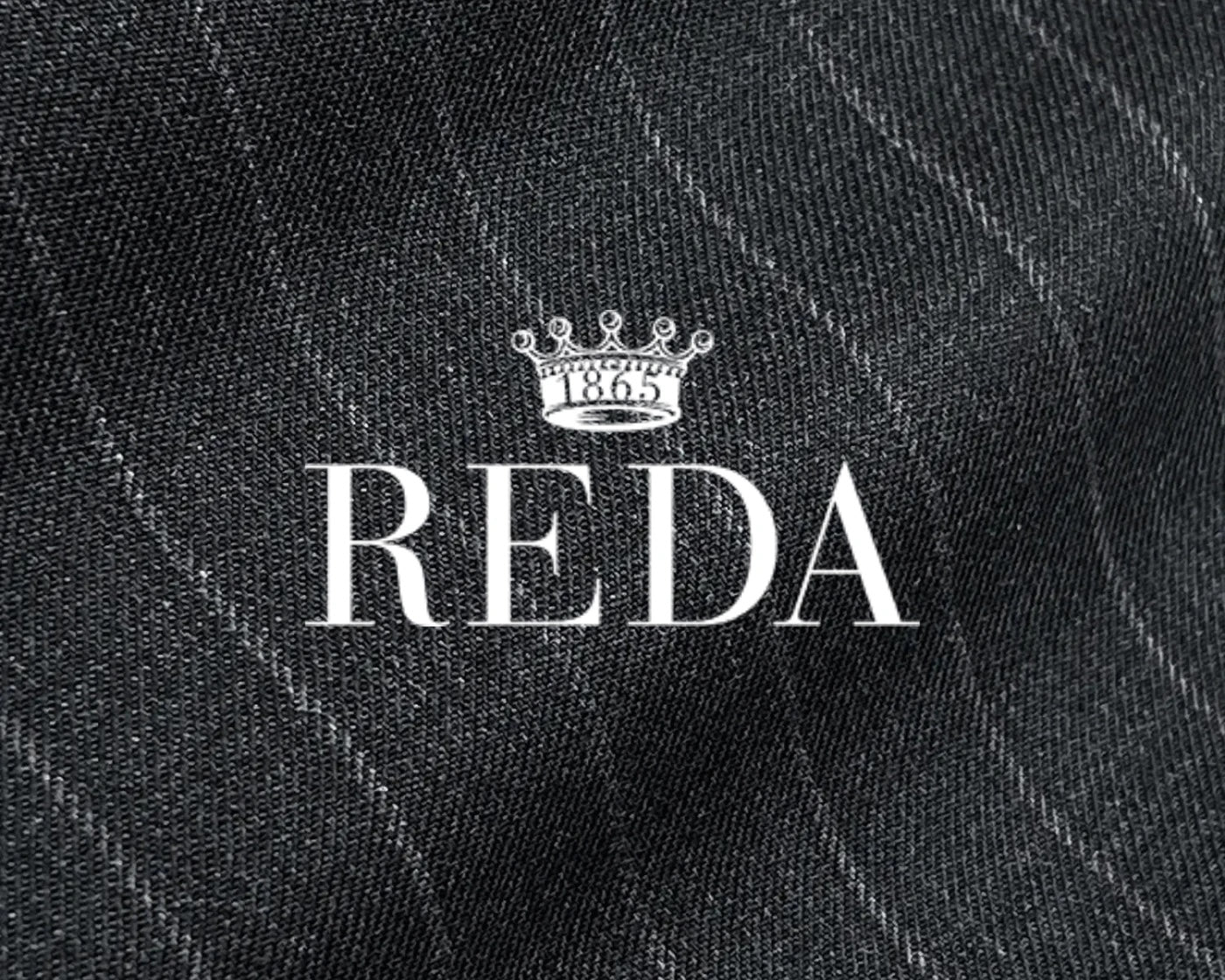
Reda charcoal pinstripe wool

Italy · BiellaSince 1865

Reda

Founded in Valle Mosso in 1865. In 1993 Reda bought its first sheep farm in New Zealand; its own farms now raise some 30,000 merino sheep, so the mill knows exactly where its wool comes from.

Known for
Traceable merino wool
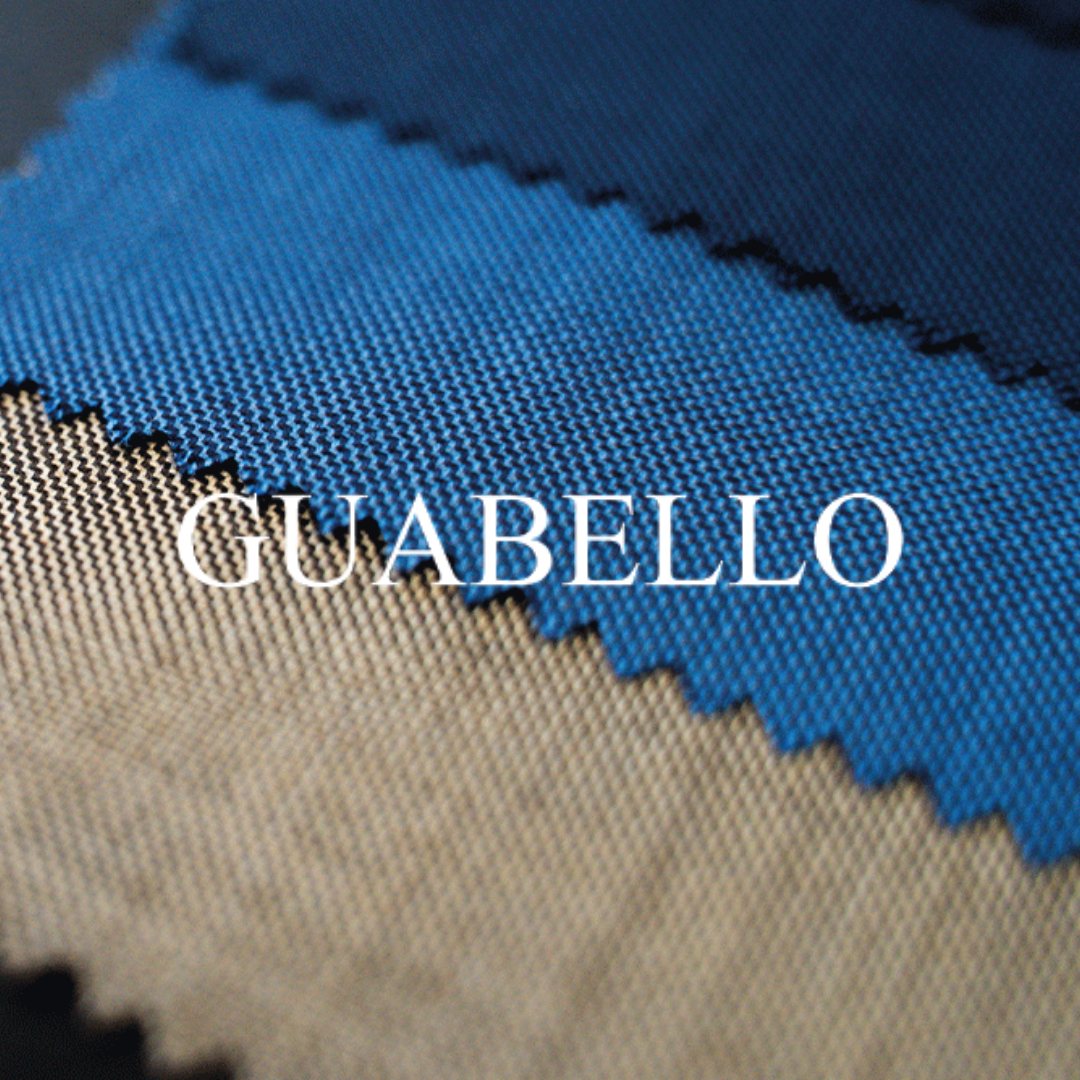
Guabello suiting swatches

Italy · BiellaSince 1815

Guabello

Antonio Guabello and his brother opened the mill in 1815, and spinning, weaving and finishing still happen on the same Curanuova site in Mongrando.

Known for
Classic Biella worsteds
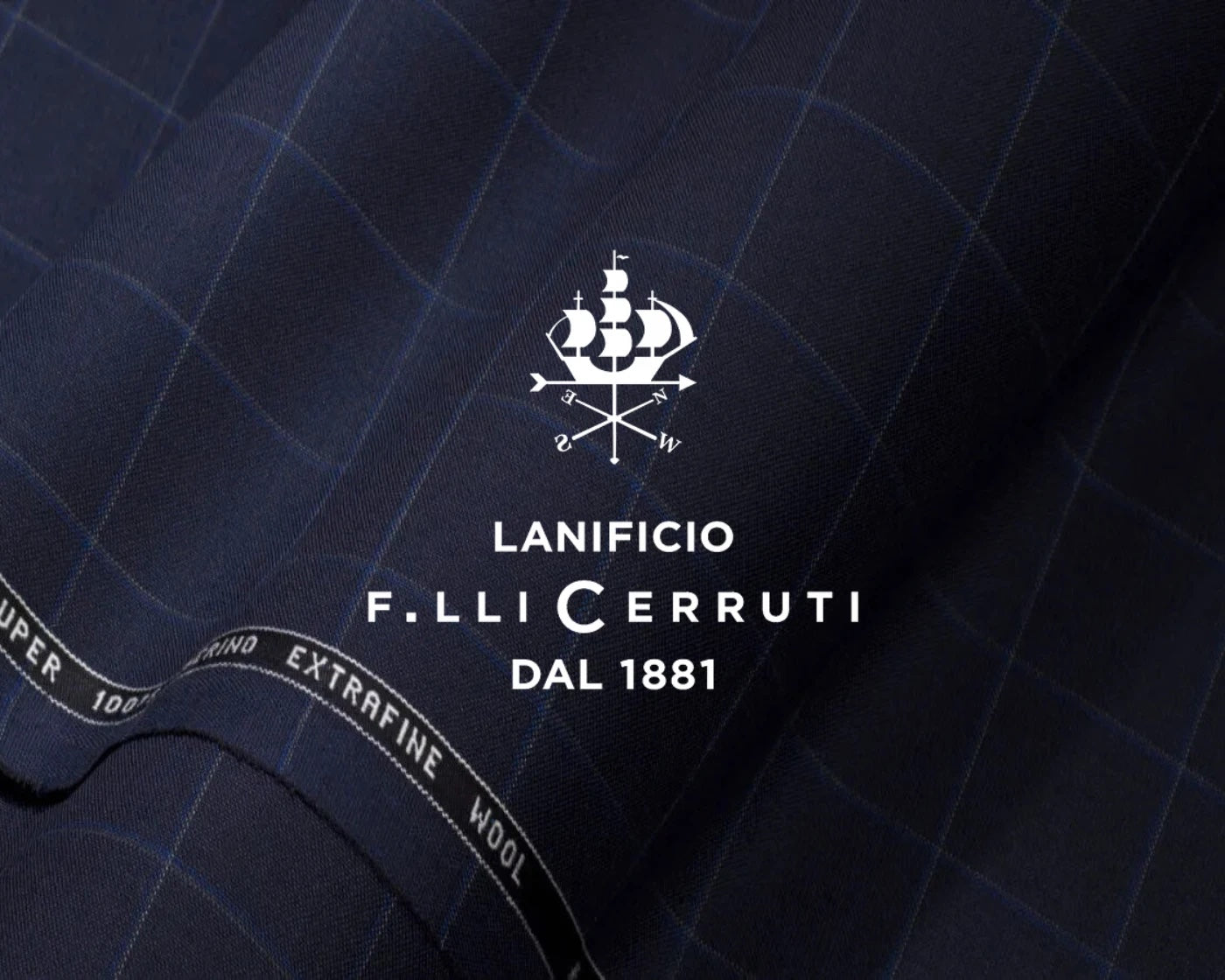
Lanificio Cerruti navy windowpane with its extrafine wool selvedge

Italy · BiellaSince 1881

Lanificio Cerruti

Founded in Biella in 1881 by Antonio Cerruti, his two brothers and a cousin, and weaving there still.

Known for
Fine Italian worsteds
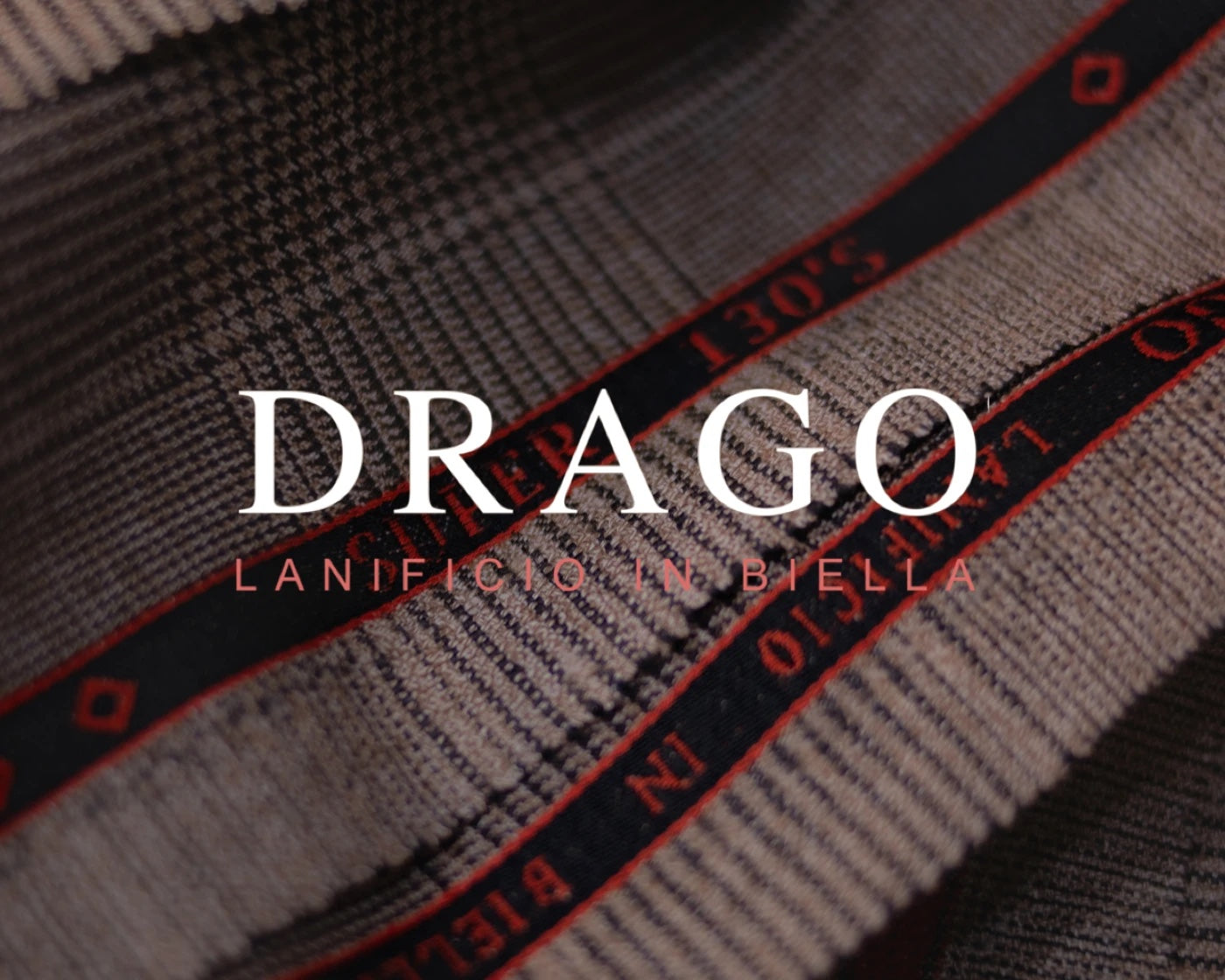
Drago glen check with its Super 130s selvedge

Italy · BiellaSince 1973

Drago

Founded by Umberto and Laura Drago in 1973 and now run by their children. A fully integrated mill, weaving more than 1.7 million metres of cloth a year in Lessona and Verrone.

Known for
Contemporary Italian suiting
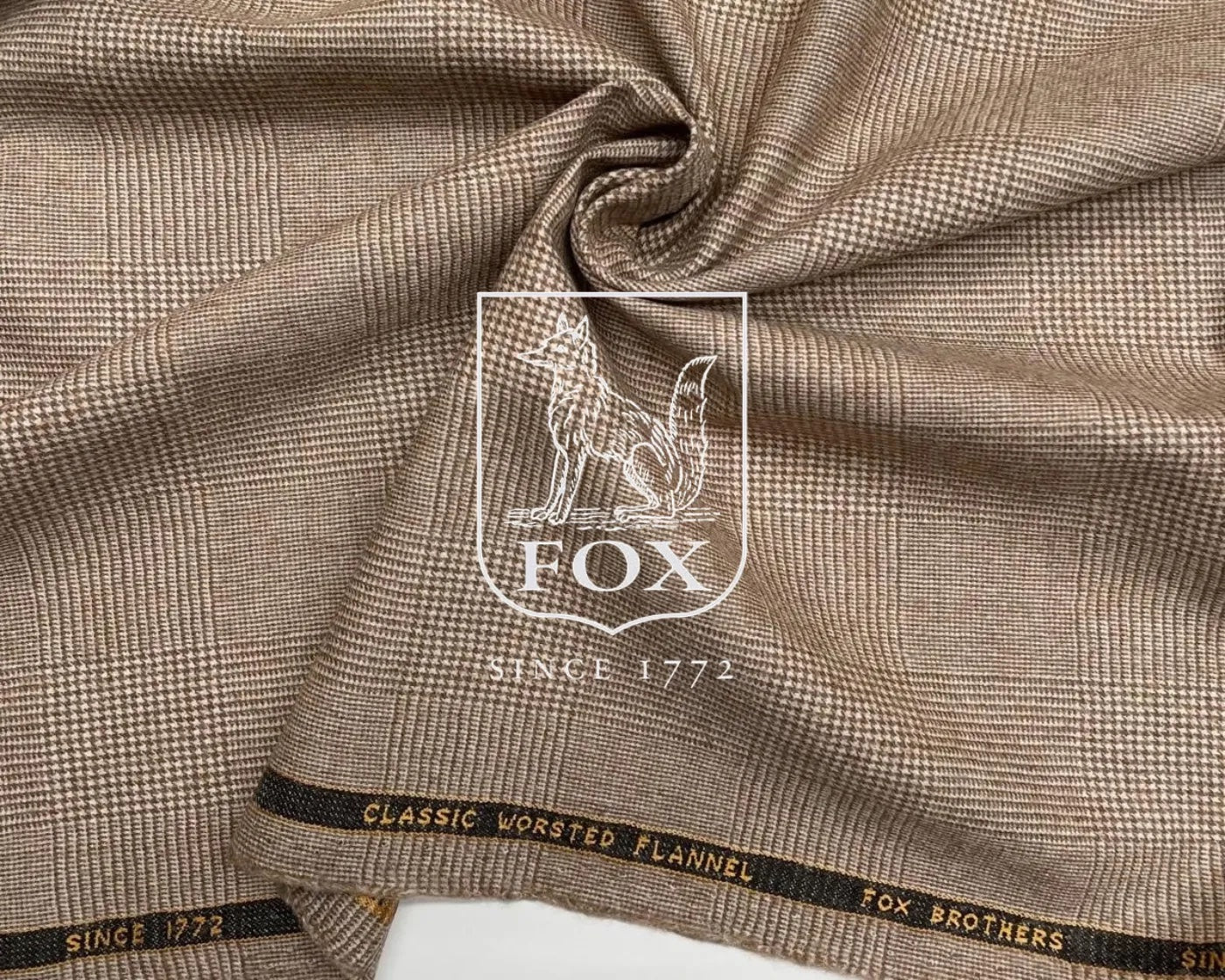
Fox Brothers glen check flannel with its 1772 selvedge

England · SomersetSince 1772

Fox Brothers

Founded in 1772 in Wellington, Somerset, where the mill still weaves. Fox is the name in flannel: soft, warm wool cloth with a gently brushed face, worsted or woollen.

Known for
Flannel
Cavani navy wool hopsack

House cloth

Cavani

Our everyday house cloth: Super 110s wool in plains, pinstripes, windowpanes and checks, across the weights we cut most.

Known for
Everyday suiting
In the house
Super 110s

Shirting & linings

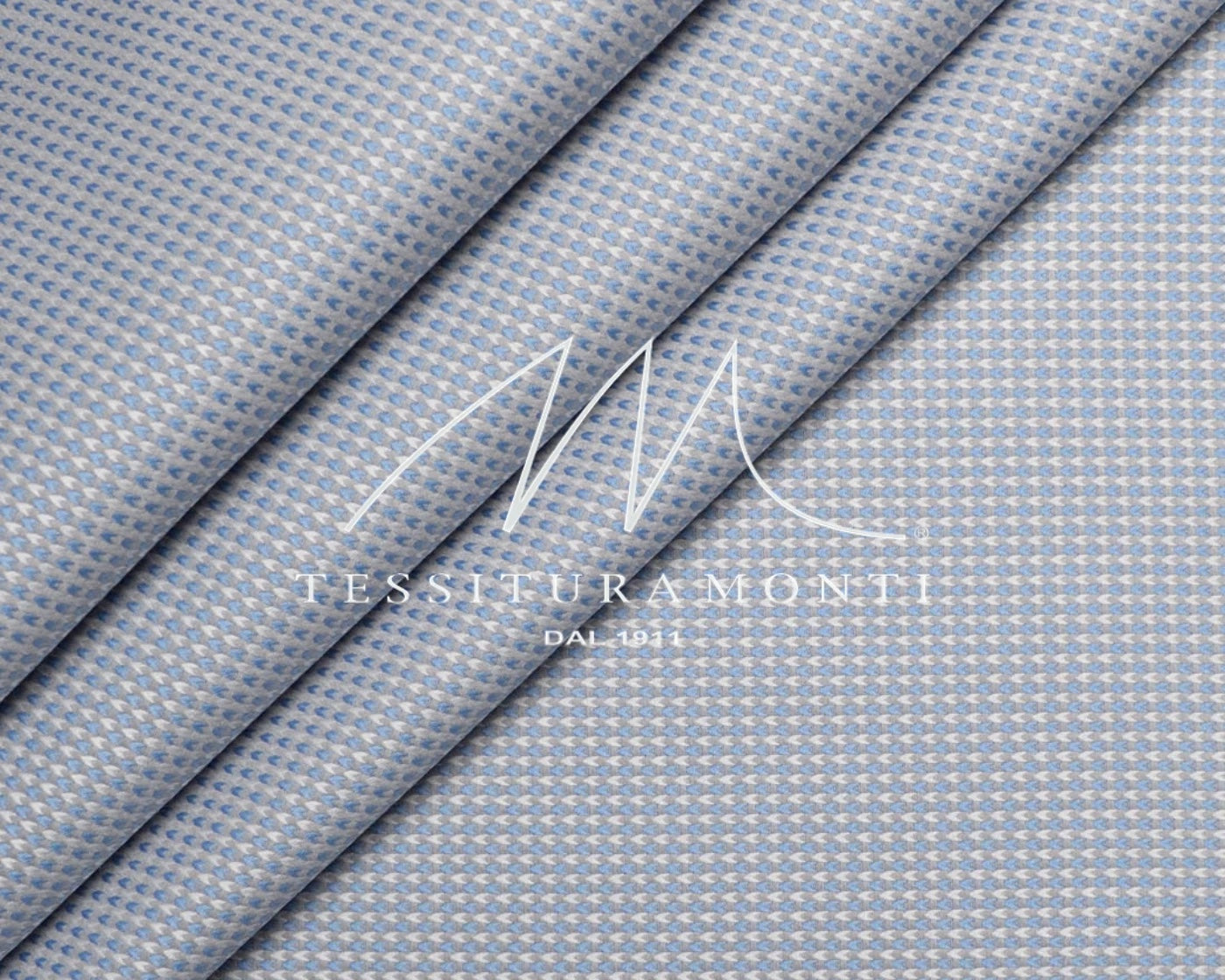
Tessitura Monti blue and white shirting

Italy · VenetoSince 1911

Tessitura Monti

The Monti brothers founded the company in 1911, but the weaving began earlier, in Giorgio Monti's home workshop in Maserada sul Piave. Italian shirting has been its business ever since.

Known for
Italian shirting cotton
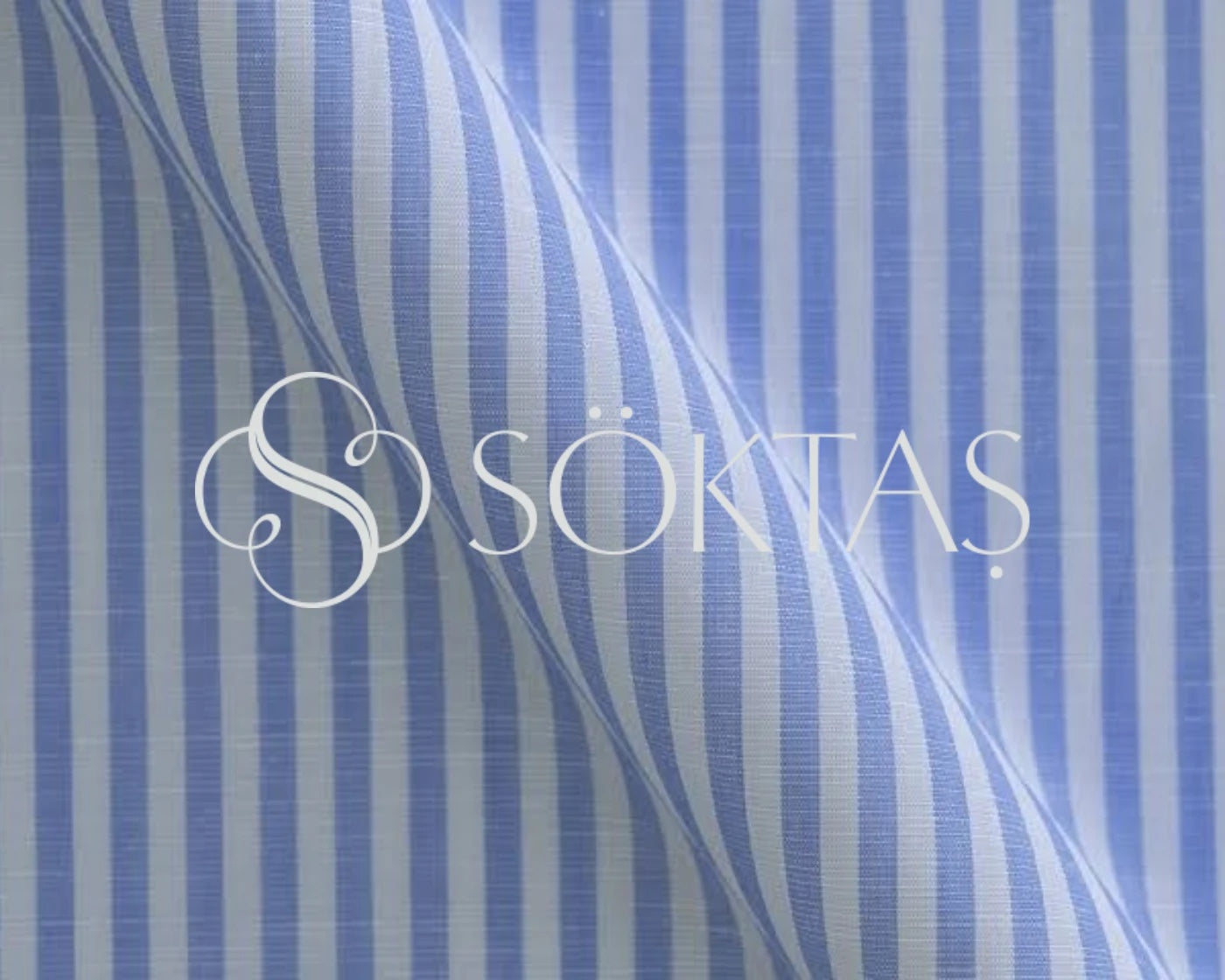
Söktaş blue and white striped shirting

TurkeySince 1971

Söktaş

From field to finished cloth: Söktaş grows cotton in the Meander Valley, where the family has farmed since the 1870s, then spins, weaves and finishes it.

Known for
Premium cotton shirting
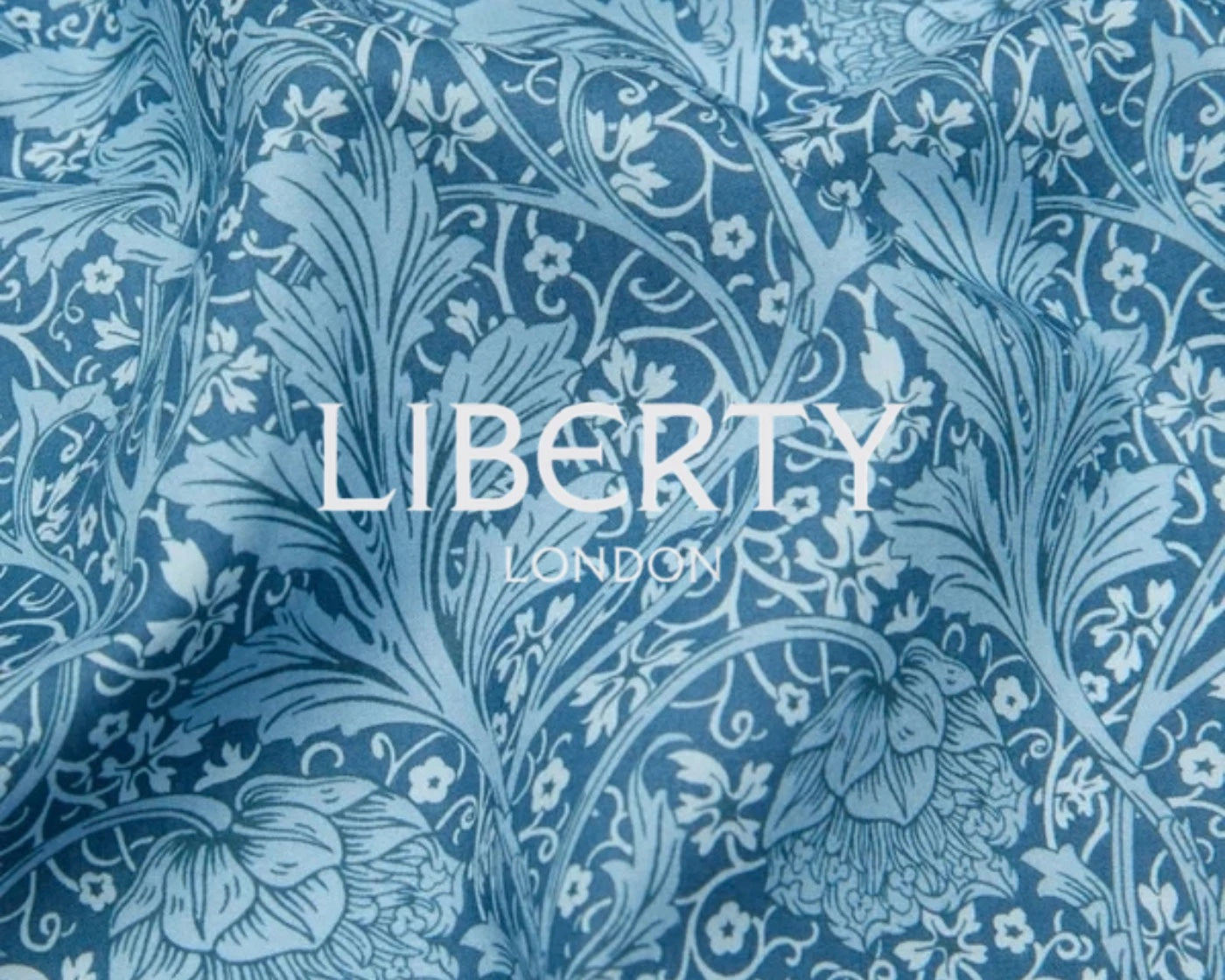
Liberty London floral print in blue

England · LondonSince 1875

Liberty

Liberty opened on Regent Street, London, in 1875. Its prints, many drawn from its own archive, are known the world over, and printed on fine cotton for shirts and linings.

Known for
Printed cotton shirting
Officine Paladino cloth and lining

ItalySince 2017

Officine Paladino

A cloth merchant founded in 2017, sourcing from Italian and English mills. Its Aura linings are printed in Italy on viscose, in 69 designs.

Known for
Printed jacket linings

The full catalogue

There are more cloths than we can show here.

The mills above are a selection. Reach out to us and ask for our full fabric catalogue, every cloth we carry, by mill.

Request the catalogue

Choosing

How to read a cloth

  1. 01

    Weight

    Weight decides how a garment feels, moves and lasts. Heavier cloths hold their shape and suit cooler rooms and cooler countries; lighter ones breathe, which matters more in Bangkok than almost anything else.

  2. 02

    Super number

    The Super number describes how fine the wool is. Finer wool feels softer and drapes beautifully; a slightly lower number is tougher and takes daily wear better. Super 100s to 130s balances comfort and durability for a suit you will actually wear to work.

  3. 03

    Drape

    Drape is how a cloth falls over a body: the difference between a suit that hangs and a suit that sits. It is the hardest thing to judge from a photograph, which is the honest argument for coming in and handling the cloth.

Frequently asked questions

More on ordering, fitting and delivery on our questions page.

What does “Super 110s” mean?

The Super number describes how fine the wool is: the higher the number, the finer the fibre. Finer wool feels softer and drapes beautifully; a lower number is tougher and takes daily wear better. Super 100s to 130s balances comfort and durability for a suit you will wear to work.

Which fabric is best for Bangkok’s heat?

Lighter cloths breathe, and in Bangkok that matters more than almost anything else. Tell us where and when you will wear the garment, and we will show you the cloths that suit it.

What is the difference between Italian and English cloth?

As a rule, the Italian mills around Biella are known for softer, lighter cloths with a smooth finish, and English cloth for a firmer, heavier hand that holds its shape. Both are on this page, and the best way to feel the difference is to handle them side by side.

Can I see and feel the fabrics before I order?

Yes. You can handle the cloth at our two Bangkok showrooms, in Pratunam and on Sukhumvit 31.

Book an appointment

Can I choose my fabric online?

Yes. Choose your cloth online and design every detail in the customiser. If you are unsure between two cloths, ask us and we will help you decide.

What is the difference between Zegna Trofeo and Traveller?

Trofeo, introduced by Zegna in 1965, is spun from 17-micron merino: as fine as cashmere and far lighter. Traveller is Zegna’s four-season superfine wool, woven in a diagonal twill.

What is flannel?

A soft wool cloth with a gently brushed, matte face: warm, comfortable and easy to wear on cooler days. Worsted flannel is the smoother of the two and holds a crease; woollen flannel is softer and more textured.

What is the difference between worsted and woollen cloth?

Worsted is spun from long, combed fibres into a smooth, strong yarn: the cloth of most suits. Woollen is spun from shorter, carded fibres, which gives a softer, fuller cloth such as flannel or tweed.

What is a high-twist wool?

A cloth woven from tightly twisted yarn. The twist gives an open, springy cloth that breathes and recovers from creases, which is why it suits a hot climate.

Is a higher Super number always better?

No. A higher number is finer and softer, but a lower one is tougher and takes daily wear better. For a suit worn often, Super 100s to 130s is the sensible range.

Which cloth should I choose for my first bespoke suit?

A mid-weight worsted in navy or charcoal is the most versatile place to start: it works for business, evenings and most occasions. Tell us how you will wear it and we will narrow it down.

What is the difference between merino and cashmere?

Merino is wool from merino sheep, fine and resilient. Cashmere comes from the soft undercoat of goats: warmer and softer again, but more delicate, so it is often blended with wool for suiting.

Why does the lining matter?

A lining lets a jacket slide on and off, protects the cloth from wear and helps it keep its shape. It is also where many clients add a personal colour or print.

Which fabric should I choose for shirts?

Poplin is smooth and crisp, the classic business shirt. Twill has a soft diagonal and resists creasing. Oxford is thicker and more casual. Linen is the coolest in the heat.